Your Starter Guide to Smart Lighting
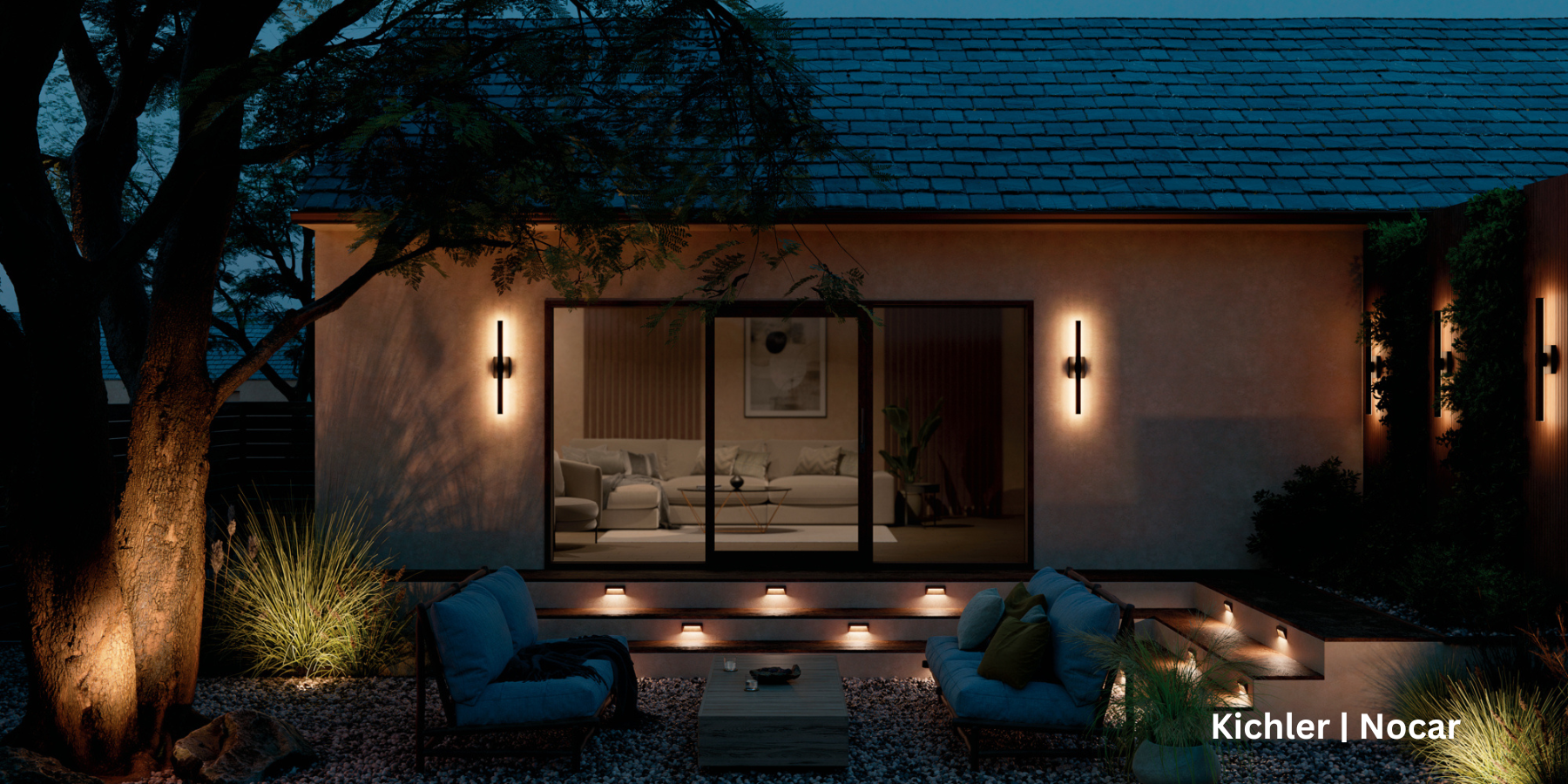
Is smart lighting right for you? The shift to LED technology and people’s desire to personalize their home’s lighting experiences have brought smart lighting into the mainstream. Here, we’re discussing all things smart lighting, including how it works, specific products, and how it makes your everyday life easier and more enjoyable.
What Is Smart Lighting?
At its essence, smart lighting is the umbrella of products and systems that include technology that allows you to manage them from an app, your phone, a remote, or voice assistants.
Benefits of Smart Lighting
Smart lighting fixtures and features are designed to make everyday life easier and more convenient. Here are a few advantages of integrating them throughout your home:
Convenience: Did you turn the lights off before leaving for work? With smart home technology, you never have to worry about it. Set it and forget it, create schedules to complement daily routines, or manage everything on your phone or voice assistant.
Energy efficiency: Homes with smart lighting features consume less electricity on average, resulting in reduced monthly utility bills.
Safety and security: Motion sensors, automation, and scheduling capabilities illuminate a home’s exterior to deter intruders. In the interior, motion-activated lighting can help prevent trips and falls.
Healthier daily routines: Lighting can be adjusted to mimic natural light’s characteristics throughout the day to enhance comfort and reduce eye strain. Dimmable lighting in the evening can help people gradually relax, wind down, and prepare for a restful night’s sleep.
Lighting effects and aesthetics: Smart lighting can also enhance a room’s mood or activities in fun and interesting ways. Color-changing bulbs, lighting that resembles a cozy candlelit glow, and sunrise and sunset simulations are a few examples. For the ultimate in entertainment, lights can sync with music or what’s on TV.
Types of Smart Lighting Controls
Before diving into the nitty-gritty of smart lighting types, it’s helpful to understand the ways you can manage them to fit your lifestyle. At its essence, smart lighting allows you to control and customize its operation via apps or wireless technology. Bluetooth, Wi-Fi, and Zigbee are the most popular technologies, each with its distinct features and benefits. Lighting consultants at lighting showrooms can help you determine which technology is right for you.
Here are the primary ways to control and manage your home’s smart lighting:
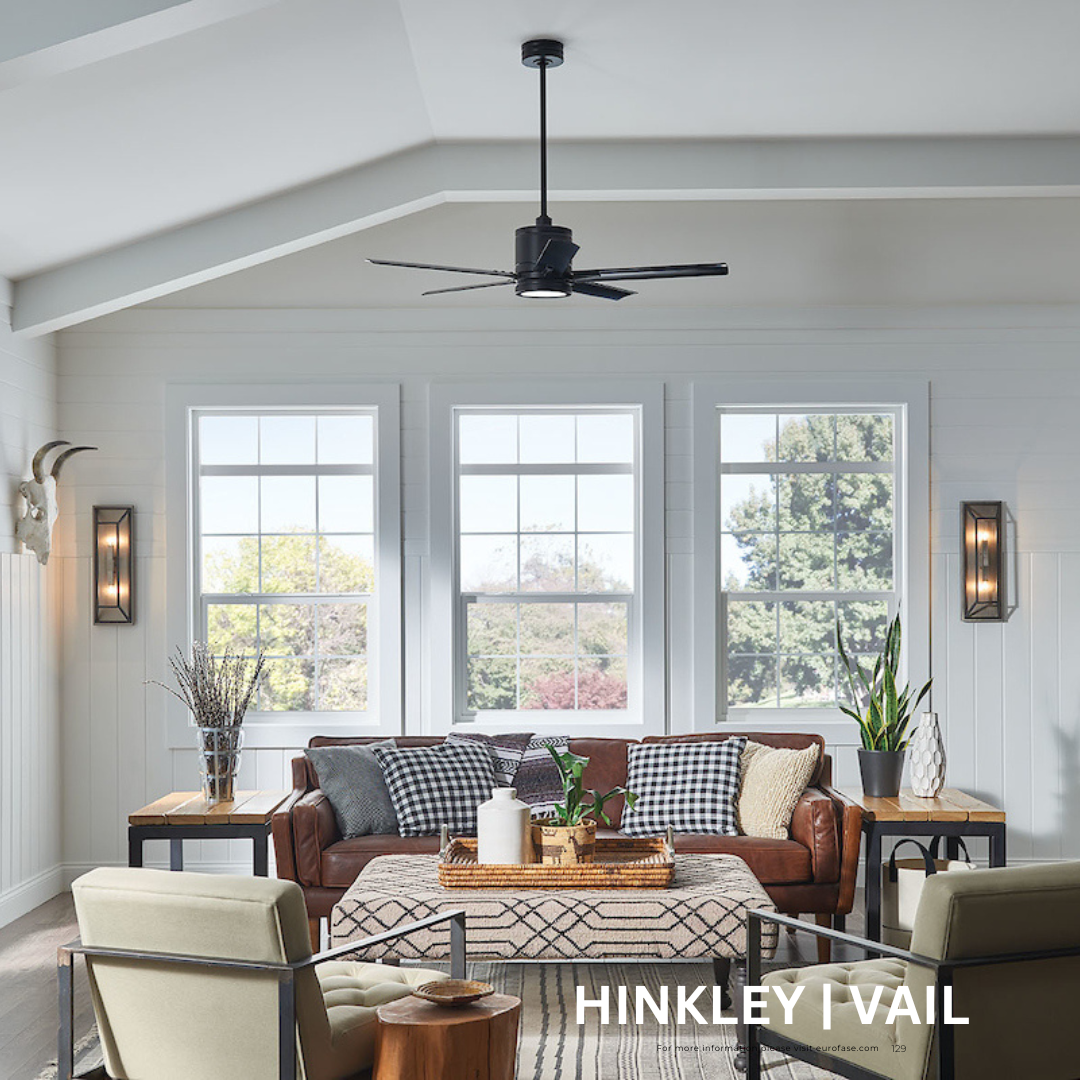
- App Integrations: Many smart lighting products include apps for convenient control and management. For example, smart ceiling fans from Hinkley Lighting include an app for easy operation, and the Kichler Connects™ app is designed for its landscape lighting systems.
- Voice Controlled: Turn lights on and off, dim them, or create special scenes using your preferred voice assistant. Many smart lighting products and systems integrate easily with Amazon Echo, Google Assistant, and Apple Siri.
- Switches and Plugs: Create, set, and manage daily automations and routines with smart switches and plugs.
Types of Smart Lighting
There are several ways to incorporate smart lighting features into your home. There’s no right or wrong way to do it. Choose what works best for you. If you’re unsure, a lighting design expert at your local lighting showroom can recommend a plan and products to meet your needs.
Smart Light Bulbs
Smart bulbs are constructed with embedded technology that communicates with a phone, smart device, hub, remote control, or voice assistant. Schedule them to turn off and on at specific times, change the color temperature to match a mood, or automatically dim the lights when you turn on the TV. You can also manage them via customized voice controls—say, ”Alexa, it’s cozy time,” to dim the living room lights in the evening.
Smart Switches
Depending on the model, a smart light switch can control one or more light operations in the home. Lighting schedules, dimming, and scenes (bedtime, movie night, party, etc.) are common features of smart switches. A smart switch can turn lights on and off while you’re on vacation, too. Set and manage schedules and controls via in-wall panel, touch screen, app, or voice controls.
Smart Fixtures and Lamps
From pendants and chandeliers to flush mounts and fandeliers, more fixtures and lamps are being manufactured with embedded smart technology. Turn on and off, adjust brightness, and group with other fixtures through an app or voice assistants like Amazon Echo or Google Home.
Smart Plugs
A smart plug is a device that plugs into a wall and communicates with a home’s Wi-Fi network. It allows you to control most things in your home that have an on/off switch from the convenience of a phone or other device. Smart plugs also integrate with existing smart home hubs like Amazon Echo and Google Home for convenient controls in a single system.
Smart LED Light Strips
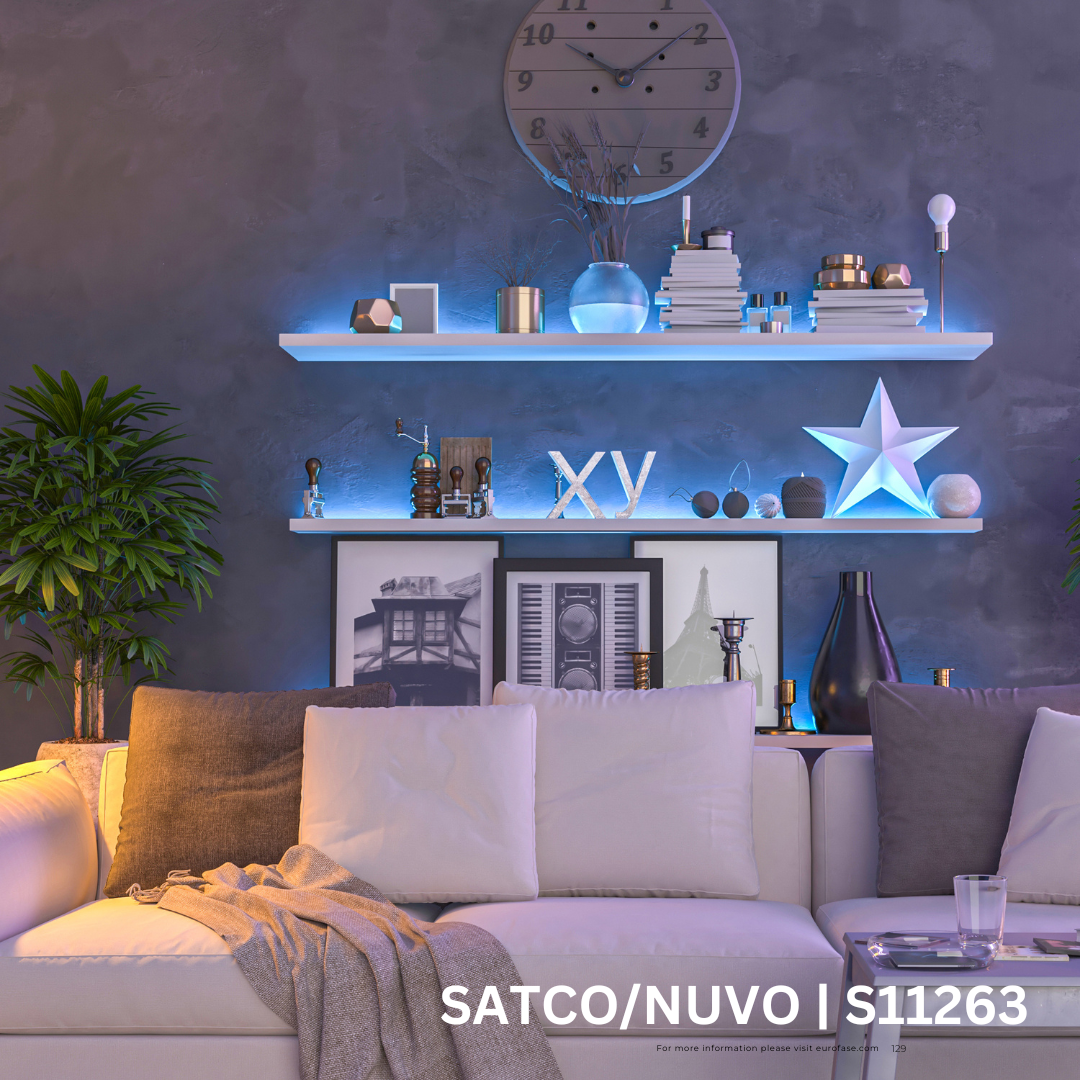
LED-embedded strip lights are perfect for illuminating built-ins, bookcases, inside and beneath cabinets, and hallways. Outdoor-rated smart light strips create a dramatic accent on stairs, decks, pathways, and patios. Management of smart LED strips is simple and versatile—various products can be app or voice-controlled, or allow for easy integration into a larger home automation system.
Start Smart With Your Home’s Lighting
Whether you want to dip your toes or dive headfirst into smart lighting, you can enjoy many options to fit your budget and lifestyle needs. If you’re unsure where and how to start integrating smart lighting into your home, we recommend reaching out to the experts at a Lighting One Showroom. They can review photos of your home’s layout and furnishings and provide you with the guidance and support you need to make the right smart lighting choices for your home.

Bathroom Lighting Trends

Kitchen Lighting Trends

Outdoor Lighting Trends

Design