5 Ways to Light a Room Without a Ceiling Fixture

Is your room missing a ceiling light? It’s one of the most common light fixtures, but it’s not required. The bright side (pun intended) is, that with a good lighting plan, you don’t need one. Whether you’re a homeowner or apartment renter, here’s how to light a room using ceiling light alternatives, plus specific product recommendations and where to place them.
How to Brighten a Room Without an Overhead Light?
There’s more than one way to beautifully brighten up a room. Some interior designers and decorators like to follow the “no overhead lighting rule,” which uses various light fixtures to create different moods throughout the day or evening.
To do this, you’ll need at least three different sources or layers of light:
- Ambient: General lighting for overall visibility
- Accent: Smaller casts of light that can be used decoratively or to illuminate a portion of a room
- Task: Focused and strong light to light up functional areas
In a room without overhead lighting, you will need a combination of all three and may also have to double up on a couple depending on the square footage and function. In other words, if there’s no light coming from the ceiling, it’s time to get creative about how to bring lighting into a room. But not to worry, this is also the fun part! Here are a few ceiling light alternatives you can mix and match to serve your space.
5 Ceiling Light Alternatives
Furnishings and room layout impact lighting. Before creating a ceiling-free lighting plan, make sure you’ve finalized your furniture configuration.
1. Wall Sconces
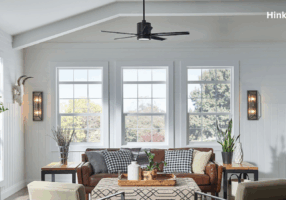
Never underestimate the functionality of a well-placed wall sconce. A sconce is sometimes thought of as purely decorative, but this team player of a fixture can act as a source of ambient or accent lighting, depending on how you use it.
In a living room, a pair or trio of sconces are a wonderful source of horizontal lighting. Sconces provide a refined glow that works well on its own to set a relaxed mood or with other fixtures to brighten up a room for everyday use. Sconces are also a kind of accent lighting that can highlight wall decor.
In a bathroom, wall sconces provide flattering eye-level lighting without creating the facial shadows common with ceiling or overhead lighting.
Wall sconces are ideal for bedrooms—when installed with dimmers, their light can be adjusted throughout the day or evening to create a mood, provide a bedside light for reading, or set a cozy atmosphere to promote a good night’s sleep.

2. Floor Lamps
Floor lamps are as versatile as they are functional. Best of all, you can pick them up and move them around to change the look and feel of a room. Floor lamps are great in apartments or other rentals because they are good sources of ambient light without having to hardwire anything into the wall. Shorter floor lamps can be a backup to ambient lighting and a type of task lighting – place one next to an armchair for an instant and cozy reading nook.

3. Table Lamps
There aren’t enough superlatives for the mood-setting impact lamps can make. Lamps, like lighting types, are best used in layers, too (especially in the absence of a ceiling light). Layer at least one table lamp with your room’s floor lamp. Place one on an end table, sofa table, or console table to brighten up a living room and add a cozy glow.
No ceiling light in the dining room? Consider a pair of lamps on each side of a sideboard or buffet table. In the kitchen, table lamps have been on-trend for a couple of years because of the touch of unexpected coziness they add to a counter.

4. Cabinet Lighting
While not an ambient lighting source, cabinet accent lighting illuminates otherwise dark corners and niches. In rooms with built-ins, cabinet and shelf lighting add drama and highlight custom millwork, book collections, artwork, and sentimental objects.
Kitchen cabinet lighting is especially functional. LED undercabinet light strips brighten kitchen counters to make food preparation safer and easier. In upper cabinets with glass fronts, interior lighting offers a soft accent to draw eyes upward, creating the illusion of more space.

5. Mirrors
Mirrors are decorative and functional in a room without a ceiling light. Mirrors help maximize light in a room, which can come in handy in spaces without a ceiling light. Take advantage of their reflective surfaces that encourage light movement. To create the desired effect, place a mirror across from a window in a living room, entryway, or dining room. You can also hang a mirror behind a table lamp or candle to reflect their soft glow. These are another great option for apartment renters since mirrors don’t require a permanent installation.
In a bathroom, no ceiling light above a vanity can be an advantage. Overhead lighting can make facial features appear washed out or with shadows. Eye-level illumination from LED mirrors provide balanced ambient lighting ideal for personal grooming like makeup application, shaving, and hair styling.
No Ceiling Lights Required
Whether you’re a homeowner or renter, rest assured that you can create a lighting configuration that suits your style, with or without ceiling lights.
To make your lighting selections easier, reach out to a lighting expert at a local showroom. They can help create a lighting plan with specific product recommendations customized to your room, its function, and your unique style. Use our member showroom locator to find one near you.

Bathroom Lighting Trends

Kitchen Lighting Trends

Outdoor Lighting Trends

Design