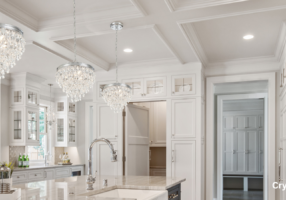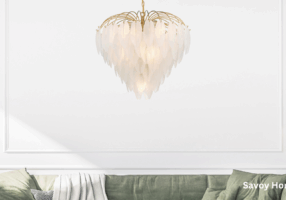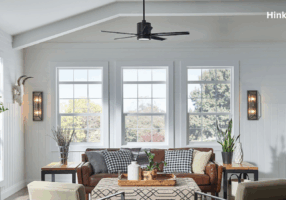

Lighting plays an important part in your home’s design and function, so don’t forget to include it in your regular maintenance routine. In this blog, we’re sharing what you need to know to keep your home’s lighting in tip-top shape, including how to inspect fixtures and bulbs, cleaning recommendations, and more.
Benefits of Lighting Maintenance
Lighting is such an important part of living well. It sets the tone of a room, complements interior design and decor, and keeps you feeling cozy and comfortable all year long. It’s time to give it some love to be sure everything is working as it should.
We recommend including lighting in your regular home maintenance to keep everything clean and sparkling, energy efficient, and safe to operate. Here are our top tips to maintain or improve the lifespan of your home’s lighting.
Clean Fixtures and Bulbs
Just as with any spring cleaning, focus on one room at a time for lighting maintenance. Stay safe by turning off your home’s electricity in that area of the house before beginning. Accessing ceiling-mounted lights may require a step stool or ladder. For high ceilings like foyers, have a friend or family member stabilize the ladder for safety.
Remove light bulbs and use a soft dry cloth to remove dust and debris. Clean fixtures with a solution of warm water and mild dish soap. This should take care of light tarnishing on metallic finishes. For heavily tarnished fixtures, you may need a special tarnish remover first, then follow up with warm soapy water. Avoid the dishwasher and wash by hand for glass fixtures and removable parts to prevent damage.
When cleaning recessed lights, downlights, and undercabinet lights, use a damp cloth to clean and another cloth to dry.
Replace Burned Out Bulbs
Take a walk around the house and perform a cursory inspection of your fixture’s lightbulbs. Turn them on and off, watching for deterioration—buzzing sounds, flickering, and discoloration of the bulb’s glass are signs that bulbs are on the way out. Broken or darkened filaments are also an indication bulbs are no longer functioning optimally.
When replacing bulbs, be sure they match the wattage recommendations of each light fixture to avoid safety issues and fire hazards.
Upgrade Outdated Fixtures
You know all the fixtures that have been bothering you and you’ve been meaning to replace? (We’re looking at you, apartment-style dome lights or builder-grade lighting). Include some lighting upgrades in your spring refresh.
If you have questions about what looks good in your space, get in touch with a lighting showroom for complimentary guidance. They can review room photos and layout and make lighting recommendations specific to your space.
Switch to Energy-Efficient Bulbs
If you haven’t upgraded your home to LED light bulbs, now is the time to make the switch (see what we did there?). LED bulbs use approximately 75% less energy than incandescents, making them incredibly energy efficient. Their lifespan is also 25 to 50 times longer, making them cheaper to replace and operate.
Rotate Ceiling Fan Blades
If you have ceiling fans or fandeliers, you will want to rotate the blades as outdoor temperatures rise. Change your fan blades to a counterclockwise direction to create a downdraft for more air circulation and comfort.
Inspect Wiring
Ensuring your home’s electrical wiring is safe and functioning properly should also be part of your spring maintenance. During your bulb inspection, look for frayed or exposed wires and loose connections with light fixtures.
For your safety, turn off your home’s electricity before making any wiring repairs or upgrades. If you have never done this type of work before, call a professional electrician or handyman who will be sure the work is done safely and is up to current code standards.
Don’t Forget Exterior Lights
Give your home’s exterior lights some TLC this spring to maintain curb appeal. Most of the inspection and cleaning recommendations for interior lighting also apply to exterior fixtures.
During your inspection, check for any water damage in the fixtures and bulbs. Outdoor-rated light fixtures are more resistant to weather and the elements, but it’s good practice to evaluate them once or twice a year. Signs your exterior fixtures need repair or replacement include corrosion, rust, cracks, breakage, and wire damage.
This is also a good time to evaluate your landscape lighting and make any adjustments for pathway or stair safety and aesthetic placement to highlight landscaping or architectural features.
Check Smart Lighting Features
If your home includes smart lighting management and controls, now is the time to review them and make updates as necessary to the season and your lifestyle.
Evaluate and test motion sensor lighting inside and outside the home, make repairs or adjust timing. If your home’s exterior lights are on timers, adjust them to accommodate later sunset times after Daylight Saving begins.

Bathroom Lighting Trends

Kitchen Lighting Trends

Outdoor Lighting Trends

Design